तक्षशिला (Takshashila)
6th century BCE - 5th century CEWorld's first university
Where Knowledge Knew No Boundaries
Journey back to a time when two magnificent universities attracted scholars from across the globe, revolutionizing education and shaping the intellectual foundations of the world.
World's first university
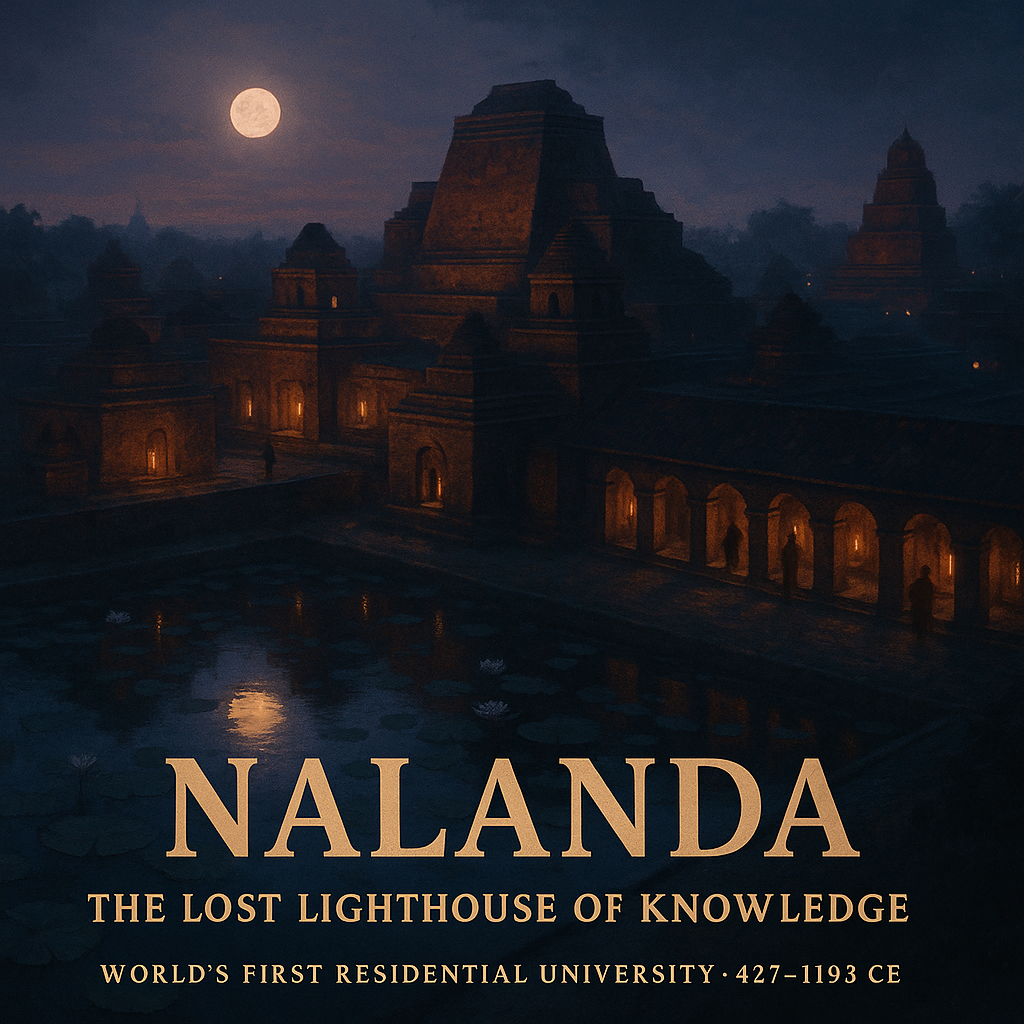
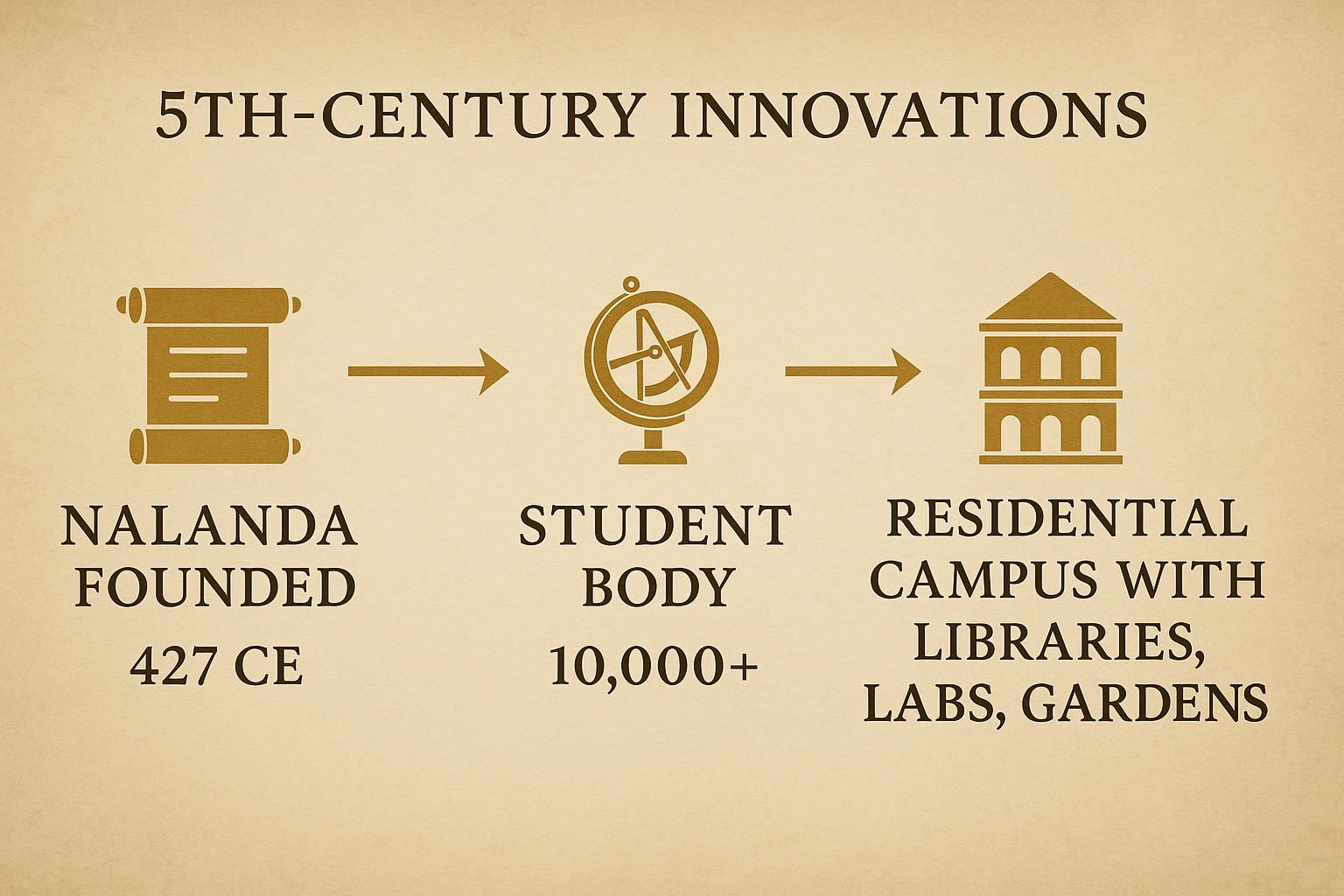
First residential university
Where Knowledge Began Its Journey
Takshashila established the very concept of higher education, creating the template for universities that would follow centuries later.
Only the most dedicated scholars could pass the legendary entrance examinations...
68 different courses spanning medicine, politics, arts, and sciences...
Meet the brilliant minds who shaped civilizations...
Creator of Ashtadhyayi - 4,000 rules that revolutionized language study
Master strategist who wrote Arthashastra, shaping the Mauryan Empire
Buddha's physician who revolutionized ancient medical practice
Where Knowledge Reached Its Zenith
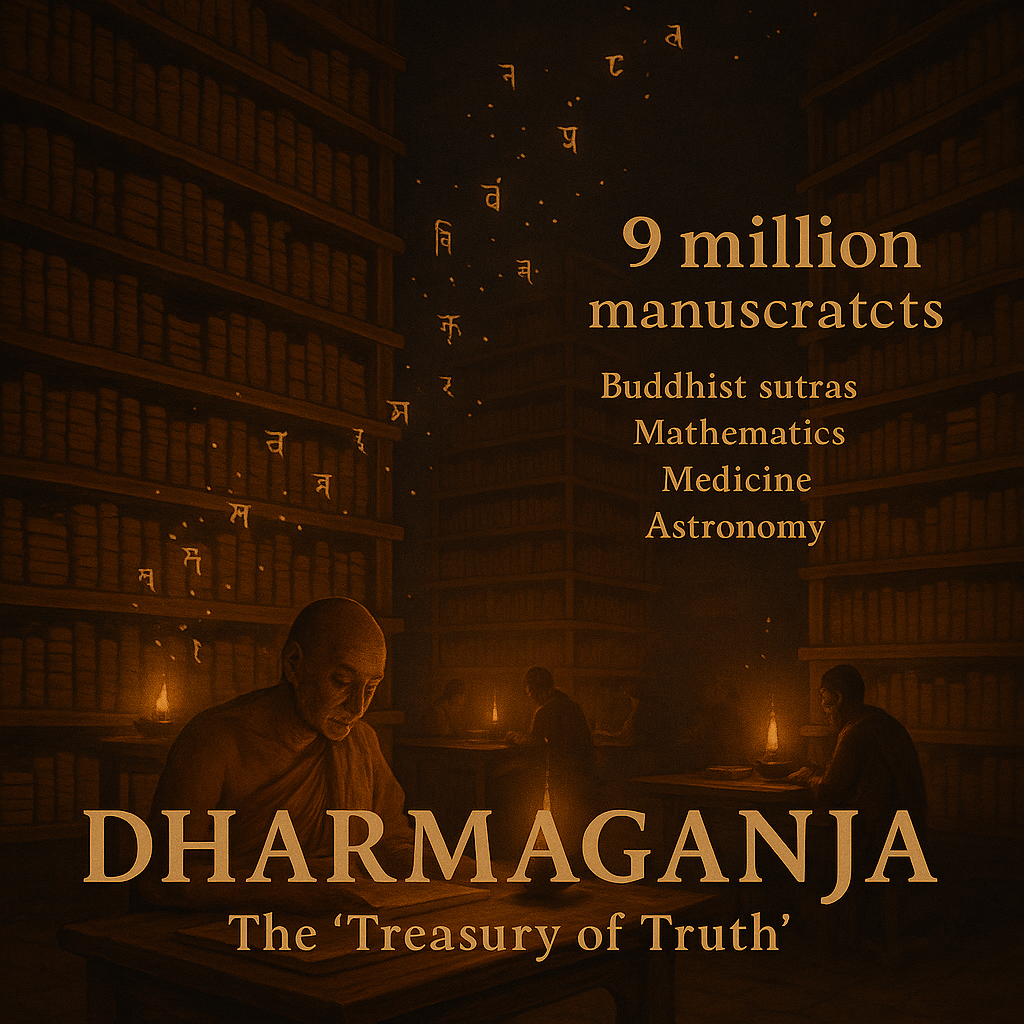
The "Dharma Ganj" (Mountain of Truth) wasn't just a library—it was humanity's greatest treasure trove of knowledge.
(Posted by Aryabhatta the Younger)
Namskar everyone, Aryabhatta here! Welcome to my life at Nalanda University. I’m in my fifth year of studies, and people have been asking what a typical day looks like. Well, grab your imaginary chai, because I’m taking you with me. Let’s go!
So, the first thing you need to know is that we don’t wake up with the sun. We wake up with a sound.
...GONG...
Hear that? That’s the massive bell from the main temple. It’s still dark outside, but that single sound echoes through all the student dorms, right into my small room. It’s our alarm clock!
My room is super simple: a mat for sleeping, a small wooden desk, and a pot of water. First thing's first, I head to the communal well to wash up. The cold water is a jolt, but it works better than any coffee!
Once we're ready, we all gather for the morning chant. Picture this: hundreds of us in our saffron and white robes, the whole place lit by flickering oil lamps. The air just vibrates with the sound of ancient sutras. We aren't praying for anything, really. We're just setting our intention for the day: to find clarity and chase away ignorance. It's a powerful way to start.
After a quick and simple breakfast—usually rice porridge with herbs—the real brain workout begins. My first class is on Hetuvidyā, which is basically the art of logic. And get this: my teacher is the legendary Acharya Dharmapala himself!
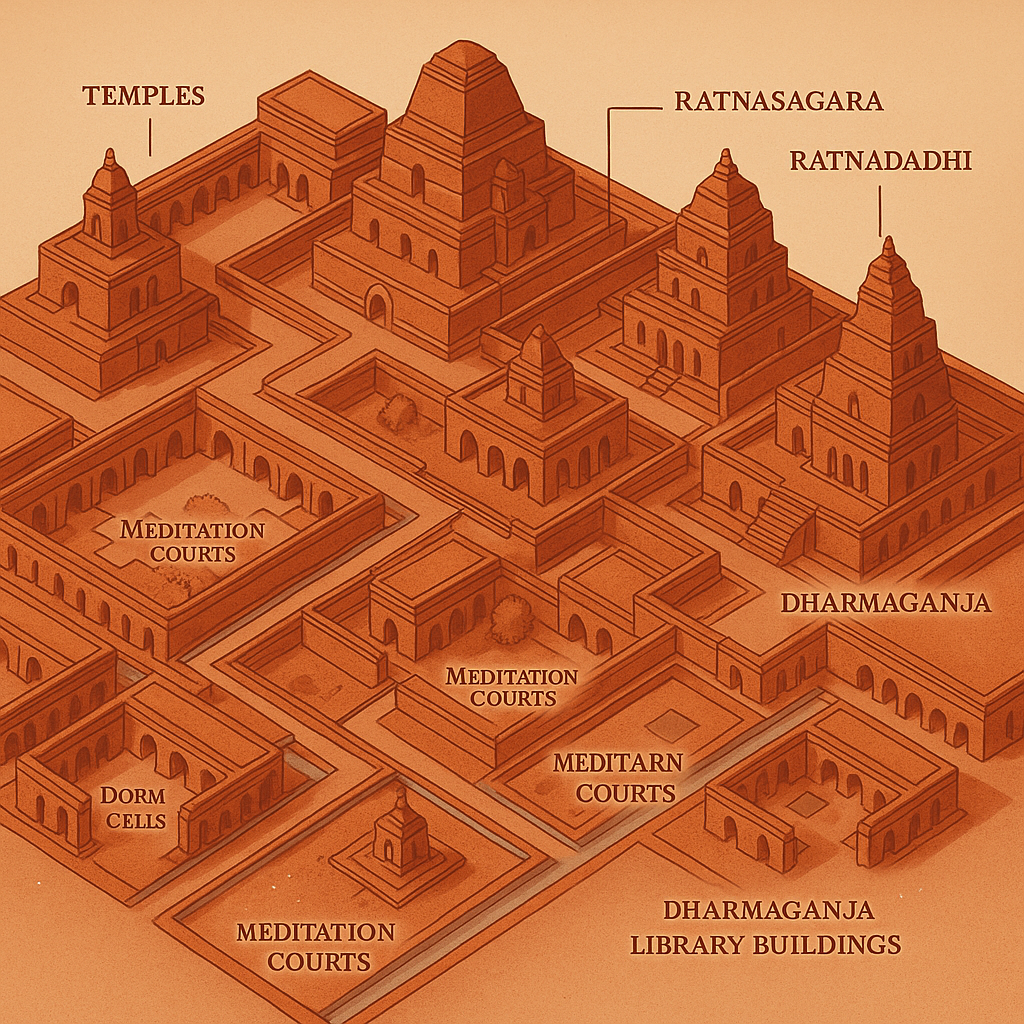
We're in this huge hall in the Ratnasagara library (that means 'Ocean of Jewels'). Acharya Dharmapala just told us something that blew my mind: "Something isn’t true just because it’s old or written in a holy book. It’s only true if it can stand up to questioning."
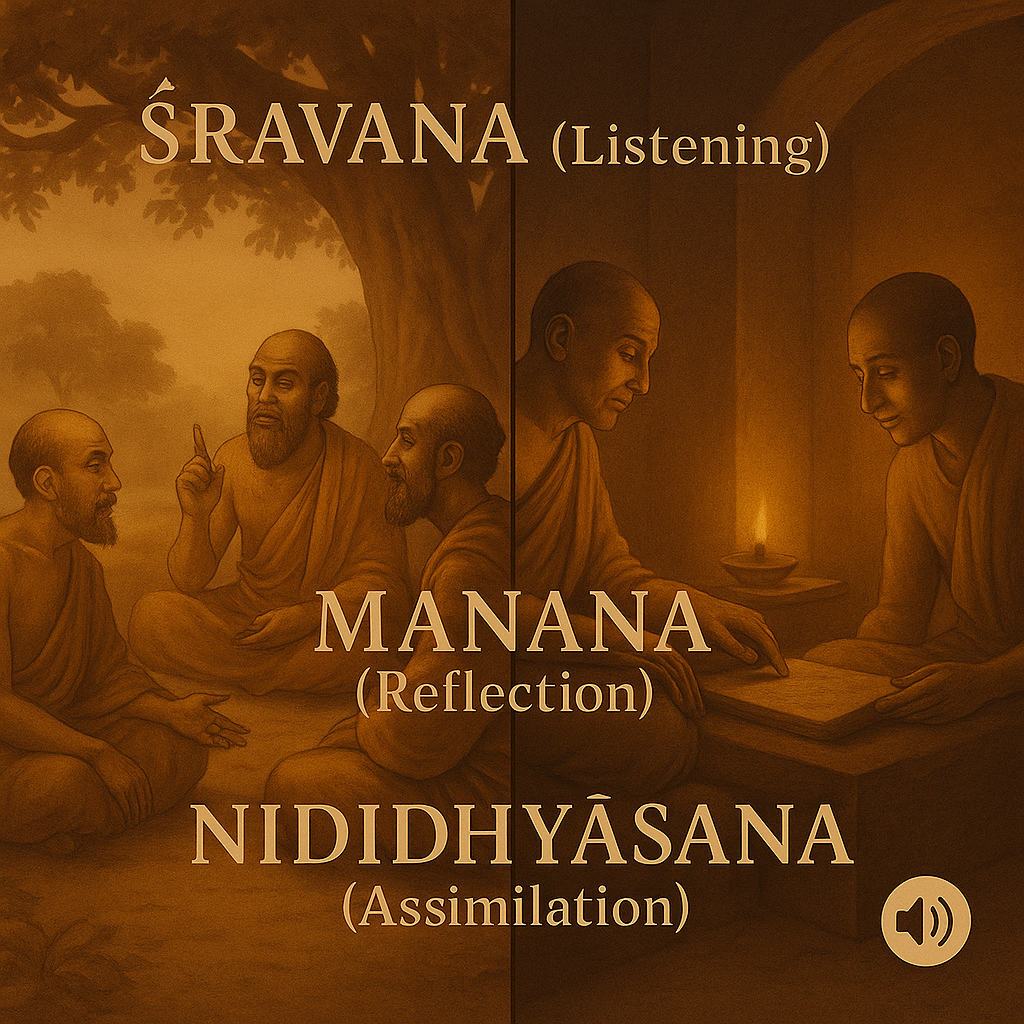
Then, he drops this super-complex logic puzzle about the nature of our "self." Instantly, a student from the South stands up and challenges it. And just like that, a śāstrārtha—a formal debate—kicks off. It’s not an argument; it’s more like a dance of ideas. We all jump in, not to prove we're right, but to figure out the truth together. My mind is literally buzzing trying to keep up. This is what Nalanda is all about!
By midday, the sun is high and our brains are fried (in a good way!). We all walk in quiet lines to the dining hall. The food is simple, vegetarian, and all of it is donated by the local villages. It’s a nice reminder that our education is a gift from the community. We eat in total silence, which helps you really appreciate the food.
After lunch, I don’t go back to my room. My favorite spot is the lotus pond near the south gate. I just sit and watch the dragonflies, letting all the complex ideas from the morning settle in. Some people do walking meditation, others review their notes under the big banyan trees. This quiet time is just as important as the debates.
Think we only study philosophy? Nope! Nalanda teaches that everything is connected.
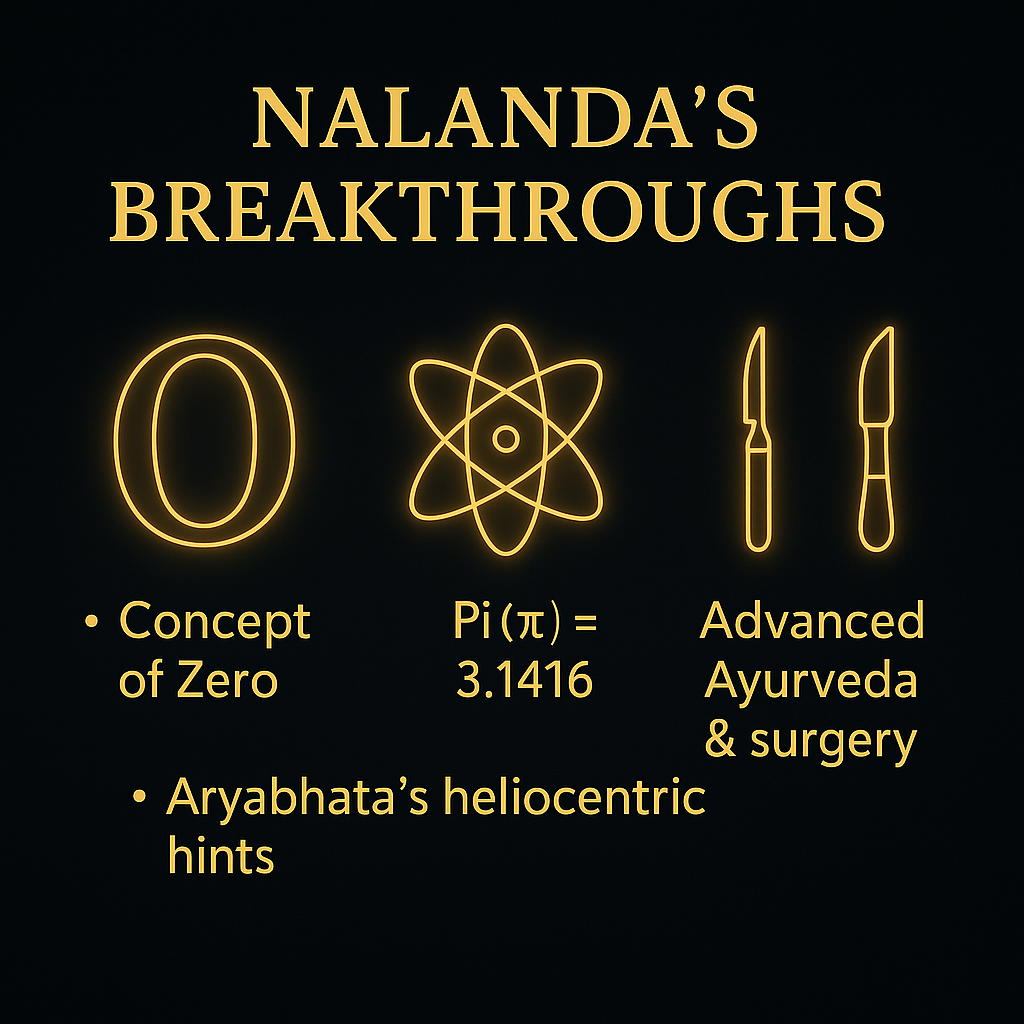
This afternoon, I have a class on Chikitsā-vidyā—the science of medicine. A master physician is teaching us about the healing properties of herbs from the Himalayas. Just yesterday, we were studying astronomy and mapping the stars.
To understand the mind, you have to understand the body and the universe, right? We also study grammar, art, and even the beliefs of other faiths. How can you find truth if you don’t even listen to what others think?
As the sun starts to set, our focus shifts from learning to service. Today, it’s my turn to help out in the Dharmaganja, our massive library complex. They call it the 'Treasury of Truth' for a reason!
My job is to copy a very old, fragile palm-leaf manuscript. I'm working on a text by the great master Nagarjuna. The smell of old parchment and fresh ink is just… amazing. Holding a text that was written by a genius centuries ago makes you feel incredibly small and, at the same time, part of something huge.
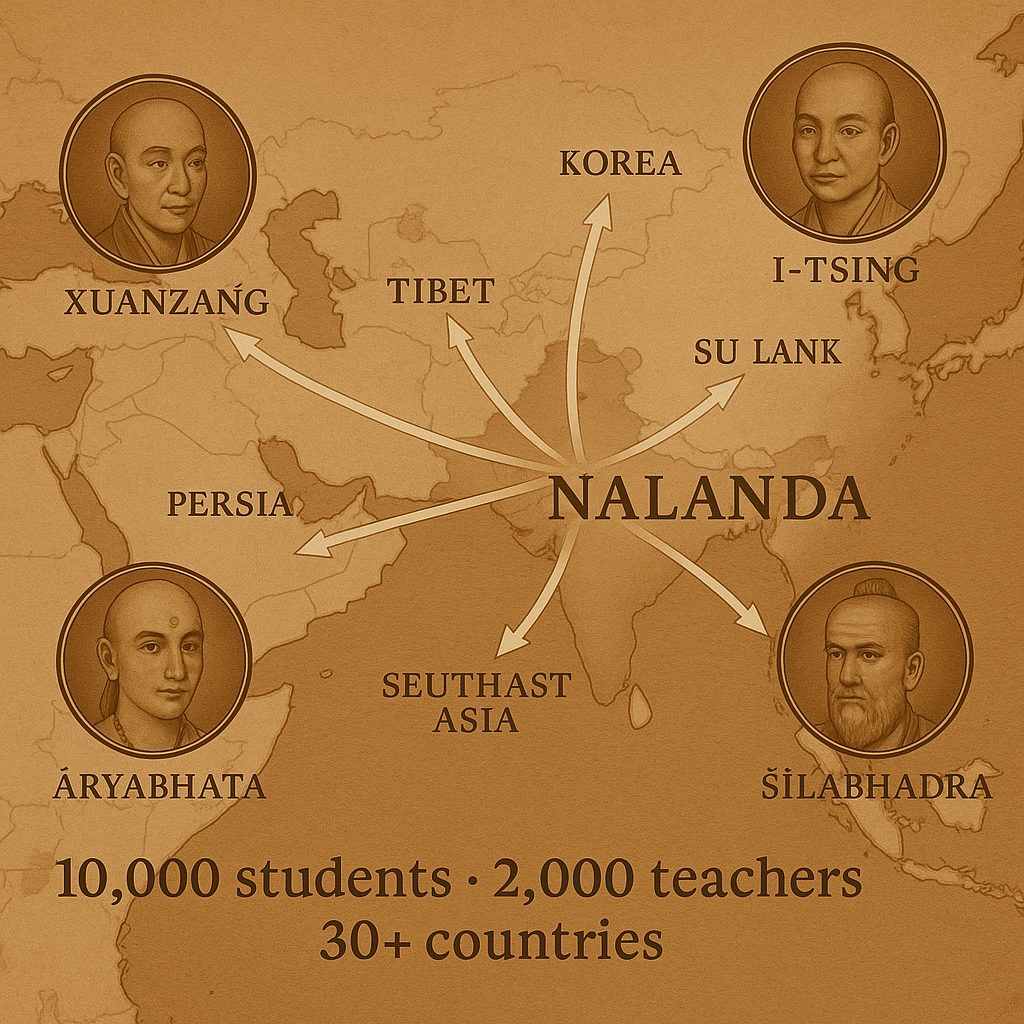
After a light dinner, we have an informal get-together. Tonight, a scholar visiting all the way from Java is sharing stories about his home. It's so cool to hear how our teachings have spread and changed in different parts of the world. It’s a great reminder that Nalanda is a hub for the entire globe.
Finally, as the stars come out, a deep quiet falls over the university. I head back to my room, light my lamp, and look over my notes from the day. The debates, the questions, the quiet moments of understanding… it all comes flooding back.
The quest for knowledge never really ends. And here at Nalanda, I get to take a tiny step on that endless road every single day. The bell will ring again soon, and we'll do it all over.
Thanks for hanging out with me today! Hope you felt like you were right here with me. Peace and knowledge to you all!
Click on any era to explore
Click a marker to see the connection
How much do you know about ancient universities?
How These Ancient Universities Shape Our World Today
The residential university system pioneered by Nalanda became the foundation for Oxford, Cambridge, and modern universities worldwide.
The tradition of students traveling across continents for education began at these ancient centers of learning.
The emphasis on intellectual discourse and debate continues to be a cornerstone of academic institutions.
The guru-shishya tradition of individual mentorship influenced tutorial systems worldwide.
Deep questions about ancient Indian universities that few dare to ask
Takshashila allowed learners to choose any teacher’s lectures freely, encouraging interdisciplinary mastery but relying heavily on student initiative and self-discipline.
While formal fees were eschewed, gifted gurudakshina and royal donations underwrote student upkeep and reinforced teacher–disciple bonds.
Exposure to varied traditions spurred novel subjects such as strategic forecasting and multilingual administrative record-keeping, reflecting global influences.
The 3rd-century Bakshali manuscript, with advanced fractions and series, hints at high-level numeracy taught at the university.
Beyond intellectual prowess, candidates had to demonstrate physical endurance through a 7-day wilderness survival test, prove their commitment by memorizing 1,000 Sanskrit verses, and show emotional maturity by resolving a staged conflict between senior students. Only those who passed all three phases could enter.
This rigorous oral filter ensured entrants possessed mastery of Buddhist scriptures, logic, and debate, elevating academic standards. Applicants faced five oral questions; success (three correct) granted entry—underscoring the prestige of admission and unmediated scholarly debate.
The water-clock and observatory enabled precise timekeeping and celestial observations, reflecting a seamless blend of science and spirituality.
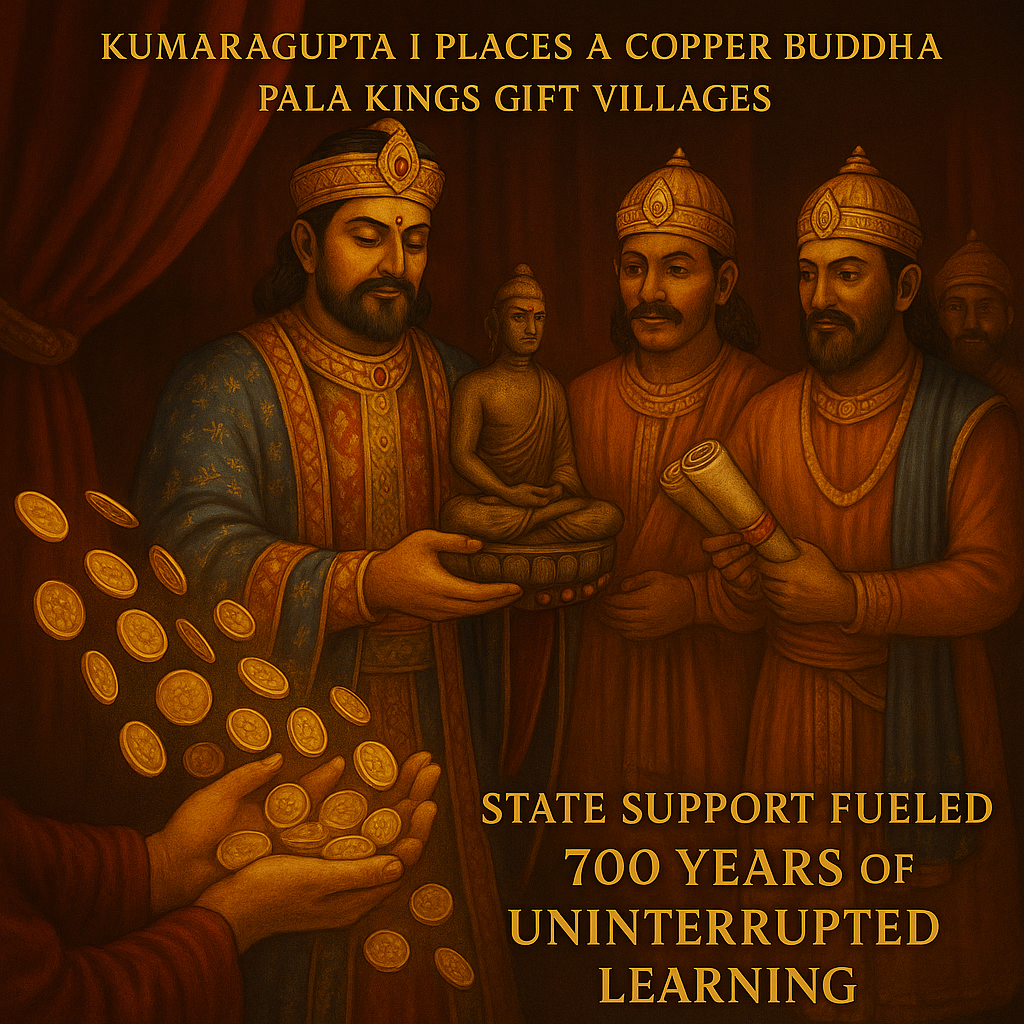
Royal and village endowments sustained free education and lodging for a large student population, reinforcing monastic philanthropy.
Excavations reveal eleven monasteries flanking a north–south axis and Site No. 03’s five-tiered temple, precursors to later Asian Buddhist architecture.
The convergence of Buddhist, Hindu, Jain, and secular scholars created a cosmopolitan hub where ideas in philosophy, medicine, and astronomy diffused across Asia.
Yes! While often overlooked, both Takshashila and Nalanda had female scholars. Notable examples include Lilavati (mathematics), Gargi Vachaknavi (philosophy), and several Chinese nuns who studied Buddhist philosophy at Nalanda. They often taught in specialized women's sections of the universities.
Nalanda received endowments from over 200 villages, generated income from international trade routes, had royal patronage from multiple dynasties, and operated extensive agricultural lands. Students also contributed through labor - copying manuscripts, teaching junior students, and managing university operations.
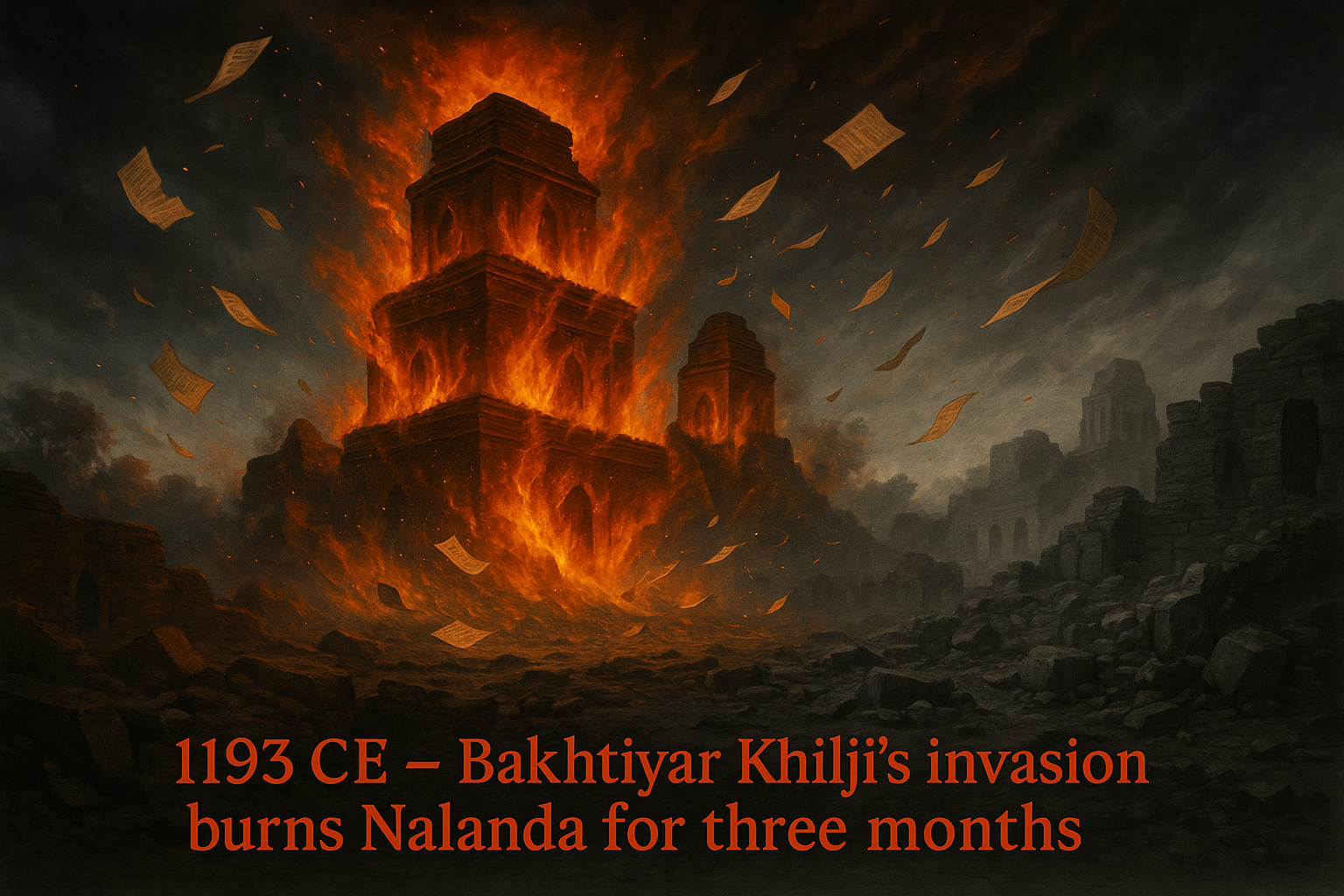
Among the irreplaceable losses were: complete works on metallurgy and chemistry, detailed astronomical calculations predicting eclipses for 1000 years, comprehensive medical texts on surgery and anatomy, and the complete diplomatic correspondence between Indian and Central Asian kingdoms spanning 300 years.
4 AM: Wake-up bell and ablutions
5 AM: Group meditation and chanting
6 AM: Light breakfast (rice porridge)
7 AM-11 AM: Morning lectures and debates
12 PM: Main meal in silence
1-3 PM: Rest and personal study
3-6 PM: Practical sessions and library work
7 PM: Evening meal
8-9 PM: Cultural activities and discussions
9 PM: Sleep
You can also view "Nalanda Vlog: A Day in My Life as a Scholar!" section for more details
Chinese universities adopted the residential model, Tibetan monasteries replicated the debate system, Southeast Asian kingdoms established similar royal patronage systems, and Islamic madrasas incorporated the comprehensive curriculum approach. The tutorial system later seen in Oxford and Cambridge has direct links to the guru-shishya tradition.
Content